
Exploring the rich history and evolution of gambling culture
The Origins of Gambling
The history of gambling dates back to ancient civilizations, with evidence found in artifacts from China, Greece, and Rome. These early forms of gambling often revolved around dice games and betting on the outcome of events, showcasing humanity’s innate desire for risk and reward. As societies evolved, so did the complexity of gambling activities, which became intertwined with cultural practices and rituals. For example, many players now seek out a casino with fast payouts to enhance their experience.
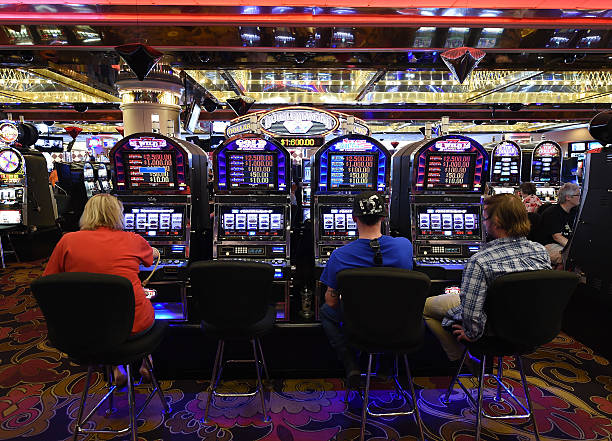
In ancient China, for example, gambling was not just a pastime but an integral part of social gatherings. Similarly, the Romans popularized various games, including betting on chariot races and gladiatorial contests. This blend of entertainment and chance laid the groundwork for gambling’s role in society, influencing modern gaming practices and the perception of gambling as a legitimate form of entertainment.
The Rise of Casinos
The first official casinos emerged in the 17th century in Italy, with places like Venice setting the stage for a new era of gambling. These establishments catered to the wealthy elite, offering a range of games that included card games and roulette. The allure of casinos quickly spread across Europe, with countries like France and Switzerland developing their own gaming houses, marking the birth of regulated gambling.
By the 19th century, casinos had firmly established themselves as centers of social activity and entertainment. The popularity of games like baccarat and poker surged, and the concept of the casino as a luxurious destination became mainstream. This period also saw the introduction of rules and regulations that aimed to create a fair gaming environment, further legitimizing the gambling culture.
The Impact of Technology on Gambling
The advent of technology in the 20th century dramatically transformed gambling practices. The introduction of slot machines in the 1890s revolutionized casinos, allowing for a more diverse gaming experience. With the rise of digital technology in the late 20th century, online gambling emerged, enabling players to enjoy their favorite games from the comfort of their homes.
As the internet gained popularity, online casinos began to offer a wide array of games, attracting a global audience. Players could now access everything from traditional table games to innovative slots with engaging themes and graphics. This shift not only expanded the gambling market but also introduced new strategies for players, as they adapted to the digital landscape of wagering.
The Social and Economic Aspects of Gambling
Gambling has significant social implications, influencing communities and economies. For many regions, casinos and gaming establishments serve as vital economic engines, generating revenue and employment. However, this economic boon comes with the challenge of gambling addiction, which can have detrimental effects on individuals and families.
Furthermore, the social acceptance of gambling has evolved, with attitudes becoming more favorable in recent decades. This shift can be attributed to the successful integration of gambling into entertainment and leisure activities, breaking down the stigma that once surrounded it. Nonetheless, ongoing discussions about responsible gambling practices and regulations highlight the need for balance in this booming industry.

Exploring Modern Gambling Culture
Today, the gambling landscape continues to evolve, driven by innovations in technology and shifting societal attitudes. The emergence of mobile gaming and live dealer games has made gambling more accessible than ever, appealing to younger generations who enjoy the convenience of on-the-go gaming. Additionally, the rise of cryptocurrencies has introduced new methods for wagering, further transforming the industry.
The culture surrounding gambling is also diversifying, with an increasing focus on inclusivity and responsible gaming. Many organizations are working to promote awareness and education about the risks associated with gambling. As online platforms and traditional casinos adapt to these changes, the future of gambling culture seems poised for continued growth and transformation, attracting enthusiasts from all walks of life.